Every Flower Blooms at Its Own Pace SVG Review
As a designer who has spent years testing machine embroidery design files for both personal hobbies and commercial client work, I know that the difference between a good project and a great one often comes down to the file itself. Today, I am evaluating the Every Flower Blooms at Its Own Pace SVG. This Graphics asset is marketed as a sweet design for t-shirts and gifts, but does it hold up when transferred from a digital preview to a real-world embroidery project? After running through several scenarios, here is my practical assessment of how this design performs in the hoop.
First Impressions: Mood and Visual Personality
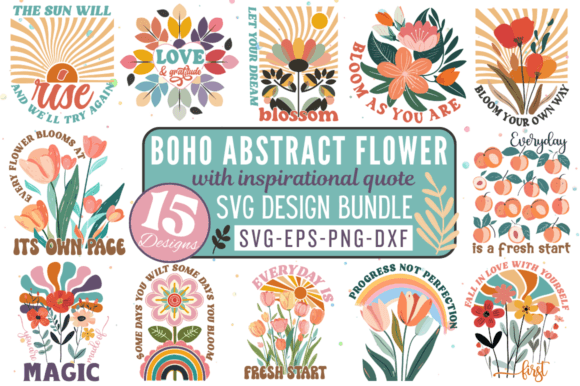
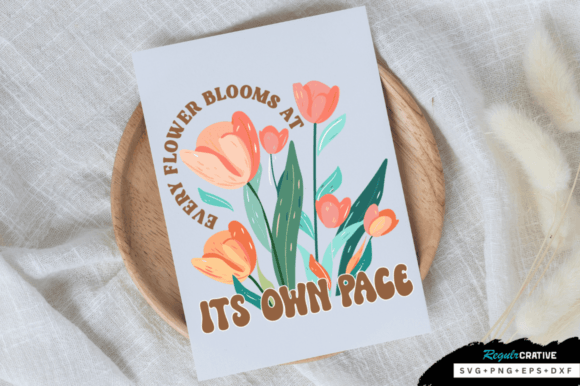
The moment you open the Every Flower Blooms at Its Own Pace SVG, the message hits home immediately. The typography is warm and inviting, carrying a gentle, encouraging tone that fits perfectly with themes of growth, patience, and nature. Unlike many generic floral files that rely solely on complex botanical illustrations, this design leans heavily on the power of the quote combined with subtle floral elements. It feels less like a rigid corporate logo and more like a heartfelt note written in thread.
Visually, the layout strikes a balance between readability and decorative flair. The curves of the lettering suggest organic movement, which pairs naturally with the implied shapes of flower petals or stems. For a crafter looking to create a handmade product that feels authentic rather than mass-produced, this file offers a strong foundation. It creates an immediate emotional connection, making it ideal for items meant to be cherished, such as nursery decor, baby clothes, or personalized gifts for loved ones navigating difficult times.
Real-World Application: A Boutique Tote Bag Scenario
To truly understand the potential of this design, imagine a scenario where you are preparing inventory for a local craft fair. You want to create custom embroidered tote bags featuring inspirational quotes. You select the Every Flower Blooms at Its Own Pace SVG for a batch of canvas totes intended for new mothers or gardeners.
When digitizing this into a machine-ready format, the design's flow becomes apparent. The text likely requires a mix of satin stitch for the letters to ensure they stand out against the fabric texture and perhaps some running stitch or fill stitches for the floral accents to give them a softer, hand-stitched look. On a sturdy canvas bag, this combination works beautifully. The design doesn't feel cramped; it allows the negative space around the words to breathe, which prevents the final finished product from looking cluttered.
Crafters selling on platforms like Etsy often struggle with finding designs that translate well to merchandise. This file shines here because the message is universal. A customer buying a tote bag with this embroidery isn't just buying a bag; they are buying a sentiment. The design elevates a simple $15 item into a meaningful accessory, increasing perceived value and customer trust in your brand.
Ideal Uses for Custom Apparel and Home Goods
Beyond tote bags, the versatility of this embroidery file extends to various other mediums. If you run a small shop specializing in custom apparel, this design is perfect for sweatshirts and hoodies. The soft, comforting message pairs exceptionally well with the cozy aesthetic of knit fabrics. Imagine a baby sweater with this motif stitched near the hem or on the chest; it becomes a keepsake that parents will keep forever.
For home goods, consider applying this to kitchen towels, pillow covers, or aprons. The theme of blooming at one's own pace resonates deeply in domestic spaces, making it a thoughtful addition to a wedding gift registry or a housewarming present. In these contexts, the design acts as a focal point, anchoring the piece without overwhelming the room's decor. Whether used for holiday embroidery or everyday wear, the design maintains its professional appearance.
Where Caution is Required: Technical Limitations
While the concept is strong, every digital embroidery file has constraints that must be respected to avoid a failed project. As an experienced reviewer, I must highlight specific areas where this design might face challenges if not handled correctly.
Hoop Size and Detail Density: If you attempt to stitch this design in a very small hoop, such as those used for cufflinks or tiny patches, the details may become lost. Small lettering can easily blur if the stitch density is too high for the limited surface area. Always verify the recommended hoop size before starting. If the design includes intricate floral corners, shrinking it down too much can cause the threads to bunch up, creating a messy look.
Fabric Compatibility: This design is best suited for stable fabrics like cotton twill, denim, or canvas. Avoid using it on highly stretchy materials like thin jersey or loose knits without proper stabilization. Stretchy fabrics can distort the stitch density, causing the text to warp or the flowers to pucker. Similarly, textured fabrics like heavy bouclé or thick fleece can hide the fine details of the SVG, making the message hard to read. Dark fabrics require careful selection of thread colors to ensure contrast; a light-colored design on a black background needs a dense underlay to prevent the dark fabric from showing through.
Curved Surfaces: Applying this design to curved surfaces like caps or beanies requires precision. While the text flows well on flat planes, wrapping it around a curved brim can alter the legibility of the words "at its own pace." Test the placement carefully to ensure the curve does not make the text appear broken or disjointed.
Designer Notes for Success
Before committing this design to a production run or a paid client order, follow these practical steps to ensure quality.
- Test on Scrap Fabric: Always run a test stitch on a scrap piece of the same material you plan to use. This reveals issues with puckering, thread tension, or stabilizer requirements before you ruin a customer's garment.
- Check Thread Contrast: View the design in black and white mockups to assess contrast. Ensure the thread colors chosen will pop against the fabric background, especially for commercial embroidery where clarity is key.
- Review Stitch Density: Inspect the file for any overly dense areas. High-density fills can make the fabric stiff and uncomfortable, particularly on baby embroidery projects where softness is a priority.
- Stabilizer Selection: Use the appropriate stabilizer for your fabric type. A tear-away might be sufficient for a tote bag, but a cut-away is often necessary for stretchy fabrics to maintain the shape of the embroidered patch or design over time.
- Licensing Verification: Confirm whether the license allows for commercial use. Many sellers assume a file is free for resale, but you must check the terms provided by the creator to avoid legal issues when selling small shop products.
Final Verdict on Visual Appeal and Value
The Every Flower Blooms at Its Own Pace SVG succeeds because it combines a relatable message with a clean, adaptable layout. It avoids the trap of being too trendy, ensuring that the finished product remains relevant for years. For Etsy sellers and creative entrepreneurs, this design asset offers a reliable way to add emotional value to their inventory.
It transforms a standard graphics file into a tool for storytelling. When executed correctly with proper technique, it results in a polished, professional look that customers will appreciate. However, success depends on respecting the technical limitations of embroidery. By testing thoroughly and choosing the right fabrics and stabilizers, you can turn this simple SVG into a standout piece of art. Whether you are making a quick gift for a friend or building a line of boutique branding, this design has the potential to bloom beautifully in your hands.