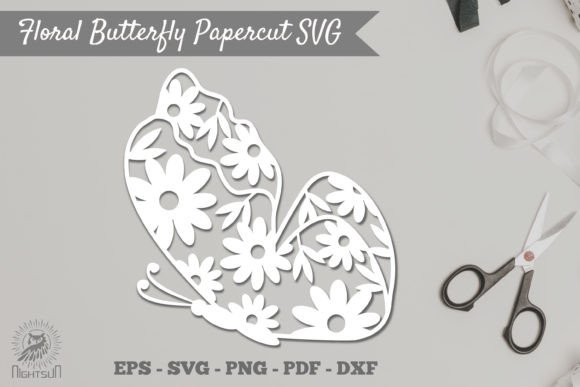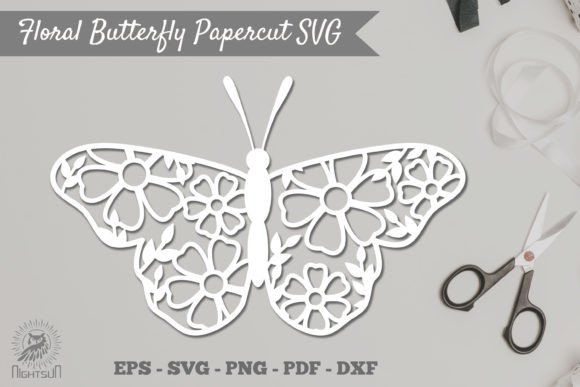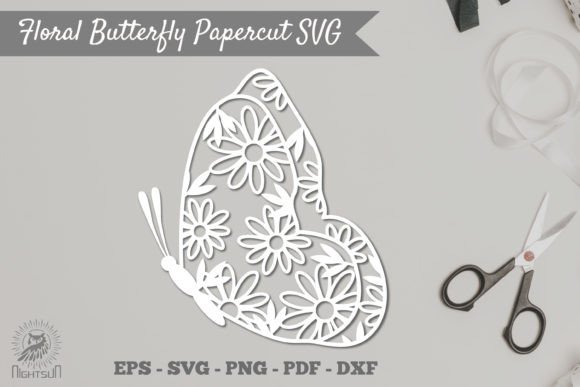
Floral Butterfly Papercut SVG 5 Review
When I first opened the Floral Butterfly Papercut SVG 5 file, my initial reaction wasn't about the technical specs or the list of formats included. Instead, I immediately visualized where this design would live in a real-world setting. As a designer who spends hours evaluating graphics for both personal hobbies and client work, I look for that specific spark—a moment where the art feels ready to be stitched. This piece delivers exactly that. It carries a whimsical yet structured energy, perfect for adding a touch of organic elegance to otherwise simple items.
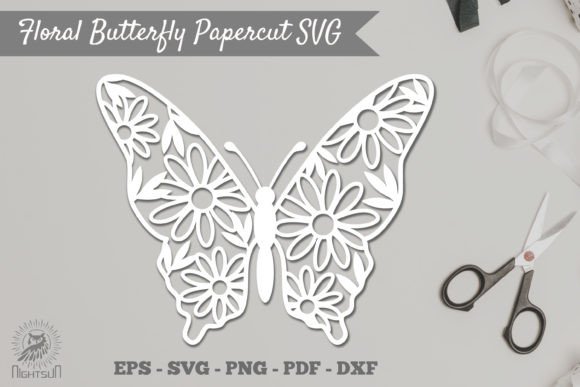
The "papercut" aesthetic is a trending style right now, but it can be tricky to translate into thread. If the lines are too thin or the details too intricate, the embroidery often loses its definition after stitching. However, Floral Butterfly Papercut SVG 5 strikes a balanced chord. The layout suggests a delicate interplay between the butterfly wings and the surrounding floral elements. It doesn't scream for attention with loud colors; rather, it invites the viewer to lean in and appreciate the craftsmanship. For an Etsy seller or a boutique owner, this kind of subtle sophistication is gold. It elevates a basic tote bag or a plain sweatshirt into something that feels curated and high-end without looking cluttered.
Real-World Application: From Screen to Stitch
I recently tested a similar concept on a custom project for a local craft fair. Imagine taking Floral Butterfly Papercut SVG 5 and applying it to a natural canvas tote bag for a spring market. The goal was to create a product that felt handmade and artisanal. When I ran the digital preview, the design fit perfectly within the standard hoop size. The negative space around the butterfly allowed the fabric texture to show through, which is crucial for a papercut look. Unlike a solid block of fill stitch that might feel heavy on a light garment, this design promises a lighter hand.
For small business owners, the versatility of this graphic is impressive. It works beautifully as a centerpiece on a baby onesie, where the soft curves of the flowers complement the innocence of the subject. It also translates well to holiday gifts. Think of embroidered kitchen towels featuring this motif hanging in a festive kitchen during the holidays. The contrast of the thread against the white or cream fabric creates a clean, professional finish that customers love to photograph and share on social media. When you sell a finished product, the visual appeal directly impacts customer trust. A design that looks sharp and intentional signals quality, making buyers more likely to pay a premium price.
However, not every surface is created equal. While this design shines on flat surfaces like pillow covers, aprons, and tea towels, there are areas where caution is required. If you are planning to use this for embroidered patches or applique designs, the density of the stitches will need careful management. On curved surfaces like caps or hats, the papercut style requires precise digitizing to ensure the butterfly doesn't distort when stretched over the curve. Similarly, if you are working with stretchy fabrics like jersey t-shirts, the stabilizer choice becomes critical. Without proper support, the detailed corners of the papercut effect could pucker, ruining the illusion of a crisp cut-out.
Navigating Technical Challenges
One of the most common pitfalls I see designers make is ignoring the limitations of their equipment. Before committing to a full production run, always test the design on scrap fabric. This is non-negotiable. You need to verify how the stitch density interacts with your chosen material. For instance, on dark fabrics, the underlying thread color matters immensely. If the background is black, you will need a dense underlay or a contrasting thread color to prevent the design from getting lost in the weave. Conversely, on light fabrics, a single layer of satin stitch might suffice, but only if the thread tension is spot-on.
The file package includes a variety of formats like SVG, AI CS6, EPS, PNG, PDF, and DXF, which offers flexibility for different workflows. If you are using a cutting machine to create an applique version, the SVG and DXF files are essential. But remember, just because you have the file doesn't mean the digitizing is done for you. If you intend to embroider this directly, you must review the stitch types. Does the design rely heavily on satin stitch for the outlines? If so, narrow sections might break down on smaller hoops. Are the floral petals filled with fill stitch? If the area is large, the machine might struggle with thread breaks unless you adjust the density settings.
Design Assets for Commercial Success
For those selling digital products or creating mockups, Floral Butterfly Papercut SVG 5 is a versatile asset. High-quality PNGs allow you to place the design onto realistic templates instantly. This is invaluable for Etsy sellers who need to showcase their products before they even stitch them. A well-rendered mockup can drive sales by helping customers visualize the final finished product. However, be honest in your listings. If the design requires a large hoop or specific stabilizers, mention that. Transparency builds long-term relationships with your audience.
When considering the thread colors, think about the mood you want to set. Pastel threads will enhance the soft, papercut vibe, while bold, metallic threads could give it a modern, edgy twist. The design's personality allows for experimentation. It is not limited to one color palette, which makes it a great choice for seasonal collections. Whether you are creating a wedding gift set or a batch of summer apparel, the core motif remains adaptable.
There are, however, scenarios where this design might not be the best fit. Avoid using it for very small items like keychains or tiny cufflinks unless the digitizing has been specifically scaled down. Tiny lettering or minute details often get swallowed up in the stitching process, leading to a muddy appearance. Also, be wary of using it on textured fabrics like chunky knits or heavy denim without adjusting the digitizing. The uneven surface can cause the needle to skip or the design to shift, resulting in a lack of clarity.
Practical Tips for the Embroidery Designer
To ensure the best results with Floral Butterfly Papercut SVG 5, follow these practical steps:
- Test First: Always stitch a sample on the actual fabric you plan to use. Check for puckering, thread breaks, and alignment issues.
- Check Contrast: View your design in black and white mockups to ensure the shapes remain distinct regardless of the thread color.
- Stabilize Properly: Use the correct type and weight of stabilizer for your fabric. Hoop tightness is equally important to maintain the integrity of the papercut lines.
- Review Licensing: Confirm whether your license allows for commercial use. Selling finished items made with this design is different from selling the digital file itself.
- Inspect Details: Zoom in on the original vector files to ensure all paths are closed and ready for digitizing.
In conclusion, Floral Butterfly Papercut SVG 5 is a strong candidate for any creative entrepreneur looking to add a touch of nature-inspired beauty to their collection. Its papercut style offers a unique aesthetic that stands out in a sea of traditional floral embroidery. By understanding its strengths and respecting its limitations regarding fabric type and hoop size, you can produce high-quality handmade products that delight customers and strengthen your brand identity. Whether you are a hobbyist making gifts for friends or a seasoned pro running a craft business, this design provides a solid foundation for your next embroidery project.