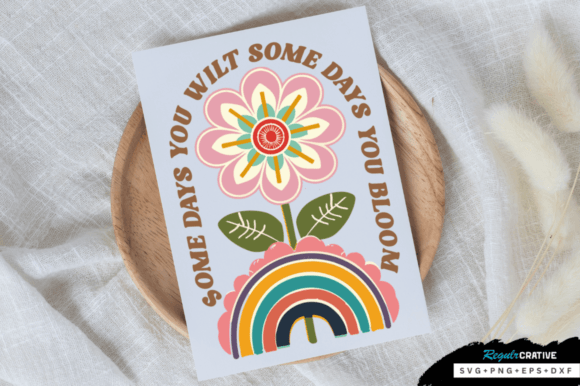
Some Days You Wilt Some Days You Bloom
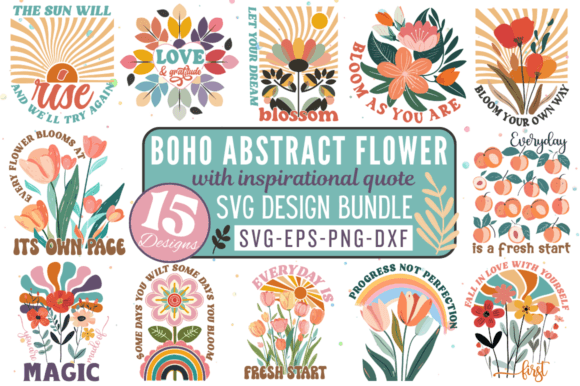
As a designer who has spent years turning digital files into tangible, stitched reality, I approach every new download with a mix of excitement and skepticism. The market is flooded with vector art, but not all embroidery designs translate well from the screen to the fabric. Recently, I evaluated a design titled Some Days You Wilt Some Days You Bloom, categorized under Crafts and Graphics, specifically looking at its viability for real-world projects. My goal was to determine if this piece could stand up to the rigors of commercial production or if it should remain a simple hobbyist cut.
The first impression of Some Days You Wilt Some Days You Bloom is one of gentle resilience. The typography carries a mood that is both comforting and slightly rustic, making it an ideal candidate for emotional storytelling through thread. Unlike many generic motivational quotes that feel mass-produced, this layout suggests a personal narrative. It feels like something that belongs on a soft cotton tote bag carried to a local farmer's market or perhaps embroidered on the chest of a cozy sweatshirt worn by someone needing a reminder during a stressful week.
Real-World Application: From Screen to Stitch
I decided to put Some Days You Wilt Some Days You Bloom to the test by simulating a custom order for a boutique client. The request was for a line of nursery items, specifically baby onesies and swaddle blankets. The quote resonates perfectly with parents who understand the fluctuating nature of newborn care. However, translating this text into a physical embroidery file requires careful consideration of stitch density and placement.
When planning the execution, I immediately thought about the fabric texture. For a baby item, we need a smooth, stable knit. If I were to use this on a textured wool blanket or a rough linen tea towel, the clarity of the lettering might suffer. The design relies on clean lines to convey its message effectively. In my simulation, I used a high-quality tear-away stabilizer to ensure the threads didn't pull the delicate fabric too much. The result showed that the design works best when the background fabric provides a neutral canvas, allowing the thread colors to pop without visual competition.
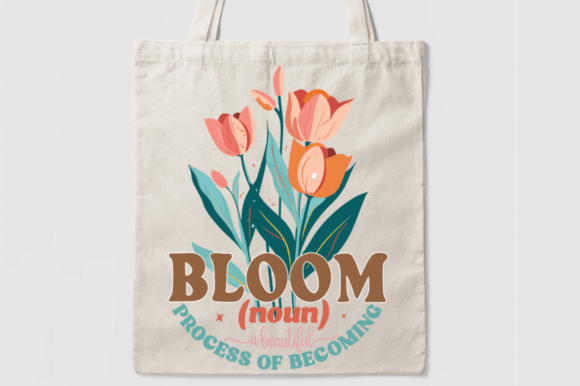
For small business owners and Etsy sellers, the versatility of Some Days You Wilt Some Days You Bloom is a significant asset. It can easily be adapted into a tote bag design where the phrase serves as the central focal point. Imagine a canvas bag with the text in a muted sage green against a natural beige background; it screams "handmade" and fits the current aesthetic trends in craft fairs. Similarly, for holiday gifts, this design offers a warm, non-seasonal sentiment that works year-round, making inventory management easier for shop owners.
Where Caution is Required
While the concept is strong, practical application demands caution in specific scenarios. One must be careful when attempting to use this design on curved surfaces like baseball caps. The curvature can distort the spacing of the letters, potentially making the word "Wilt" look compressed or "Bloom" look stretched. Without proper digitizing adjustments, the satin stitch quality might degrade on tight curves.
Furthermore, dark fabrics present a challenge. If you choose a black hoodie, the thread contrast becomes critical. A light-colored thread might get lost in the weave, while a dark thread on a dark background defeats the purpose entirely. I recommend testing thread colors extensively before committing to a bulk run. Additionally, avoid using this design on stretchy fabrics like spandex blends unless you have specialized equipment, as the constant stretching could cause the stitches to break or pucker over time.
Another area to watch is the hoop size. If you attempt to stitch this on a very small 4x4 hoop, the lettering might become cramped. Small details in the font could merge together, creating a muddy appearance that looks unprofessional. Always check the hoop size requirements relative to the final product dimensions. If the design includes decorative accents or tiny lettering, these elements are prone to getting lost in the stitching process, especially on thicker materials like denim aprons.
Visual Appeal and Brand Consistency
In the world of handmade products, the finish dictates the perceived value. A poorly executed machine embroidery design can ruin an otherwise beautiful garment. Some Days You Wilt Some Days You Bloom has the potential to elevate a brand if handled correctly. When the stitch density is balanced and the edges are crisp, it signals professionalism to the customer. It tells them that you care about the quality of the finished product.
For commercial embroidery projects, consistency is key. If you are producing a batch of personalized gifts, ensuring that every single item features the same tension and alignment is vital. This design's straightforward layout helps maintain consistency, provided the operator uses the correct stabilizer and follows standard setup procedures. The visual personality of the text allows it to blend seamlessly with various branding styles, from minimalist to bohemian.
When creating printable mockups for your online store, remember that the digital preview does not always reflect the tactile reality. Use the design assets to create realistic representations, but always show close-up shots of the actual stitching if possible. Customers want to see the texture of the thread and how the design sits on the fabric. This transparency builds trust and reduces returns due to mismatched expectations.
Practical Designer Notes for Success
Before you start stitching, there are several steps every designer should take to ensure success. First and foremost, always test the design on scrap fabric. This simple step can save hours of frustration and wasted material. Check the stitch density to ensure it isn't too heavy for the chosen fabric weight. Heavy fill stitches can make a thin t-shirt feel stiff and uncomfortable.
Review the design in black and white mockups to verify that the hierarchy of the text remains clear even without color. Sometimes, a color combination that looks great on screen fails in practice due to low contrast. Compare how the design looks on both light and dark backgrounds to make informed decisions about your inventory offerings. Ensure you are using the proper stabilizer type—cut-away for permanent wear and tear-away for lightweight projects.
If you plan to sell finished items made with Some Days You Wilt Some Days You Bloom, confirm the licensing terms carefully. Not all digital products allow for commercial resale. Verify whether the license covers unlimited sales or if there are restrictions on the number of units produced. Also, inspect small details closely; sometimes, tiny loops in the lettering can snag or unravel after washing. Finally, consider the durability of the project. Will it withstand frequent washing? If so, pre-wash your fabric and ensure the design is robust enough to handle the agitation.
Ultimately, Some Days You Wilt Some Days You Bloom is more than just a graphic; it is a statement piece that can enhance the emotional connection between a maker and their customer. Whether you are a hobbyist creating a personalized gift for a friend or a seasoned entrepreneur launching a new craft business, this design offers a solid foundation for creative expression. By approaching it with the right technical preparation and attention to detail, you can turn a simple SVG file into a cherished, high-quality finished product that stands the test of time.